Virtual Issue Intensive: Designing Infant Rooms That Encourage Autonomy, Exploration, and Discovery: Moving from Bunching Up Babies to Tiny Destinations
Includes a Live Web Event on 07/09/2026 at 1:00 PM (EDT)
-
Register
- Non-member - $79
- Member - $54
**Live Attendance Required to earn CEUs** (complete all requirements within 30 days of event).
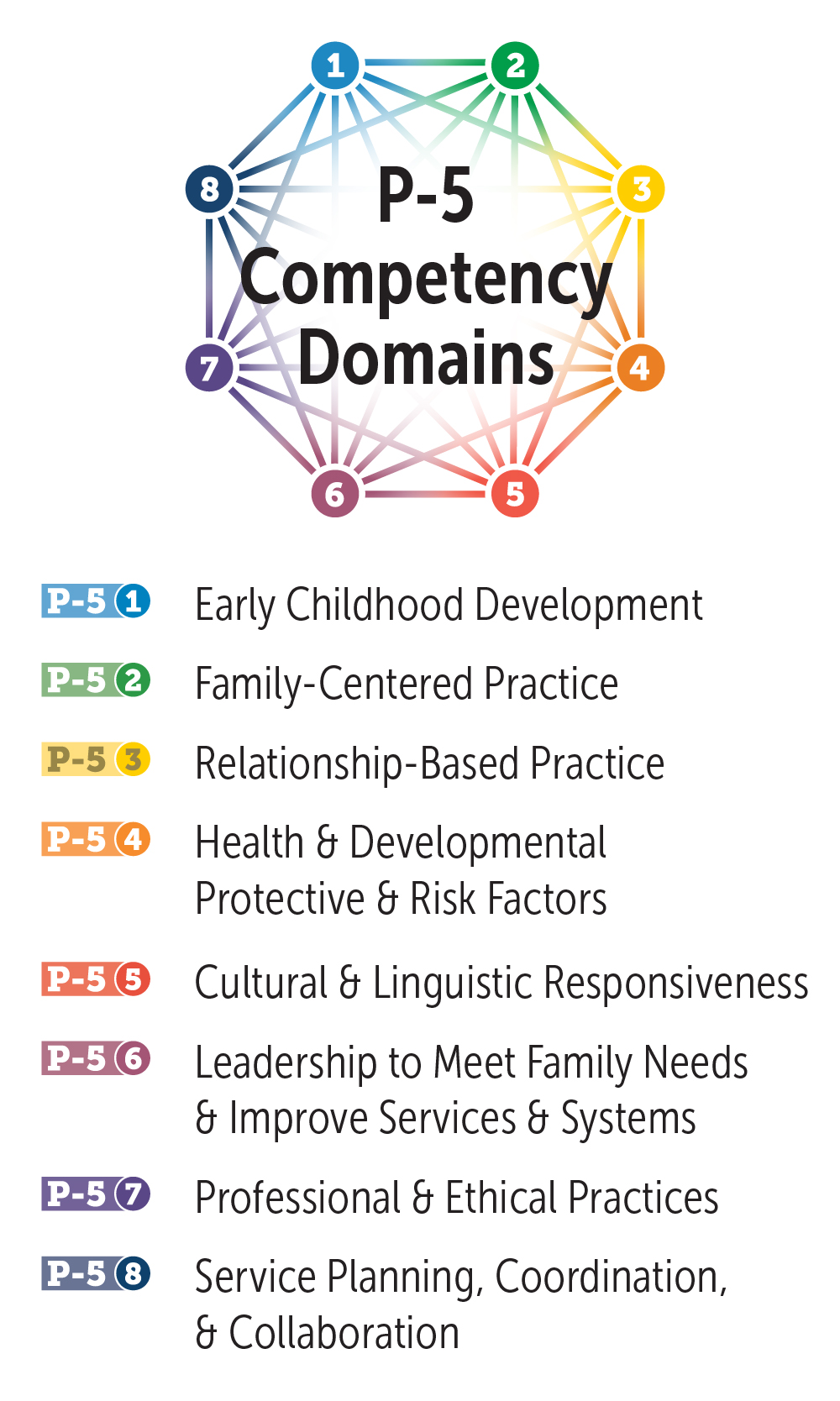
 | Early Childhood Development: how development unfolds from conception to age 5 across social, emotional, cognitive, language, physical, and motor development and ways to responsively support it. |
Designing Infant Rooms That Encourage Autonomy, Exploration, and Discovery:
Moving from Bunching Up Babies to Tiny Destinations
July 9, 2026, 1:00 PM - 2:45 PM ET
Introducing LEARN Intensives, a new live virtual event series from ZERO TO THREE. Inspired by the innovation and thought leadership of the LEARN Conference, these interactive deep-dive sessions bring timely topics, emerging research, and leading experts directly to you. Each event offers a unique opportunity to explore the ideas shaping the future of early childhood and engage more deeply with the conversations that matter most to the field.
About this session: Infant learning is shaped by the environments we create. This session explores how thoughtfully designed infant rooms can support autonomy, movement, and discovery. Participants will examine how restrictive equipment can limit development and consider alternatives that promote active exploration. Through examples and guided reflection, participants will learn how to design “tiny destinations” that offer meaningful visual, sensory, and physical experiences tailored to each child’s developmental level. Emphasis will be placed on creating flexible environments that evolve as infants grow and develop.
As a result of participating in this event, attendees will be able to:
- Describe how the use of restrictive infant equipment (e.g., swings, walkers, seats) can impact motor development and contribute to developmental concerns such as “Container Baby Syndrome.”
- Identify developmental differences among infants in a shared environment, including variations in mobility and independence (e.g., dependent movement, rolling, scooting, crawling, pulling up).
- Recognize key features of an infant classroom environment that support autonomy, exploration, and developmentally appropriate visual, sensory, and physical experiences.
Rebecca Berlin, PhD (Moderator)
President
Gryphon House
Rebecca Berlin, PhD is the President of Gryphon House and SVP of Intellectual Property at Kaplan Early Learning Company. Dr. Berlin has 30 years of experience as an educator, researcher, and strategic leader in for-profit, not-for-profit, and public organizations focused on Infant, early childhood and elementary, and special education, as well as parent and community partnerships. She has held many roles in education throughout her career in public and private schools as an early interventionist, an early childhood teacher, an early childhood special education teacher, an autism specialist, and a school administrator. She holds a doctorate in research, policy, and administration from the University of Virginia, where she has also worked as a teacher preparation faculty member and researcher. She was previously the Chief Learning Officer at the Start Early leading their workforce education strategy including overseeing the Office of Head Start National Center for Parent, Family, and Community Engagement. Dr. Berlin serves as the Chair of the Albemarle County Public School Board in Virginia.
Sandra Duncan, EdD (Moderator)
Author and Consultant
Sandra is an international specialist on early childhood environments. She has conducted extensive research on the psychology of places and spaces, specifically how children engage with built environments and natural surroundings. Sandra applies and blends the pedagogical theories of Piaget and Vygotsky and the approaches of Reggio Emilia, Montessori, and Waldorf when creating holistic designed places for young children. Dr. Duncan's acclaimed framework of design, The Potential Place, encourages us to create and design learning environments at the intersection of child and space where the spatial conditions of emotions (i.e., kinship, power, awe, thrill, and refuge) reside.
Key:
 Complete
 Next
Next Failed
 Available
 Locked
Learning Center